
Honoring Legacy, Culture, and Voices Across the World
Imagine a grandmother telling stories to her grandchildren about journeys across oceans, struggles for freedom, and dreams of a better future.
Imagine voices that were once silenced now shaping music, science, art, and movements for justice. Imagine languages, rhythms, and traditions passed down not only as memories, but as living proof of resilience.
Black history is not a single story. It is millions of stories — carried through generations, cultures, and continents.
Every February, Black History Month invites us to listen more closely to those stories, to honor the past, and to recognize the ongoing impact of Black communities across the world.
The Origins of Black History Month
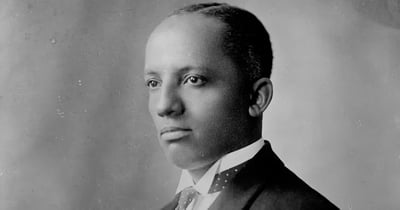
Black History Month has its roots in the early 20th century, when historian and author Dr. Carter G. Woodson recognized the urgent need to preserve and promote the history of Black Americans.
In 1915, Dr. Woodson founded the Association for the Study of Negro Life and History (ASNLH), now known as the Association for the Study of African American Life and History (ASALH). Through this organization, he launched the first Negro History Week in 1926.
Dr. Woodson deliberately chose February because it included the birthdays of Abraham Lincoln and Frederick Douglass, two influential figures in the fight against slavery and racial injustice.
This initiative marked the first national effort to formally recognize the contributions and history of Black Americans.
From a Week to a National Movement
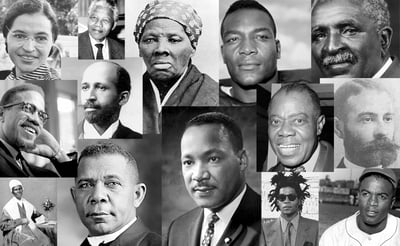
Over time, the recognition of Black history expanded beyond a single week.
In 1986, the U.S. Congress passed Public Law 99-244, officially designating February as National Black History Month.
President Ronald Reagan declared that the purpose of the observance was to raise awareness of the ongoing struggle for freedom and equal opportunity and to celebrate the achievements of African Americans in science, arts, politics, religion, and beyond.
Since 1996, U.S. presidents have issued annual proclamations recognizing Black History Month.
That year, President Bill Clinton highlighted the achievements of Black women, from Sojourner Truth and Mary McLeod Bethune to Toni Morrison, reinforcing the importance of inclusive historical narratives.

Understanding the Meaning of Black History Month
Black History Month is a time to recognize, honor, and reflect on the history, contributions, and resilience of Black communities around the world.
It is not only a celebration of past achievements, but also an opportunity to acknowledge ongoing struggles, cultural richness, and the voices that continue to shape societies today.
From Africa and the Caribbean to North America, Latin America, and Europe, Black history is deeply connected to movements for freedom, justice, creativity, and innovation.
Beyond History: Culture, Identity, and Language
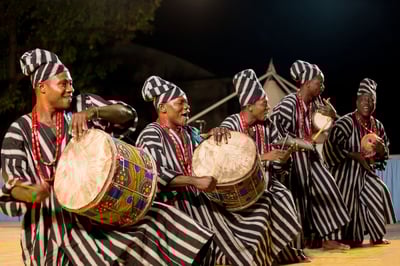
Black history is not only written in books, it lives in music, art, traditions, and languages. Language, in particular, plays a powerful role in preserving identity and transmitting history across generations.
Many Black communities express their heritage through diverse languages and dialects, including African languages, Caribbean Creoles, and African American Vernacular English.
These languages are not just tools of communication; they are carriers of memory, culture, and identity.
Recognizing linguistic diversity is an essential part of honoring Black history.
The Global Impact of Black Communities
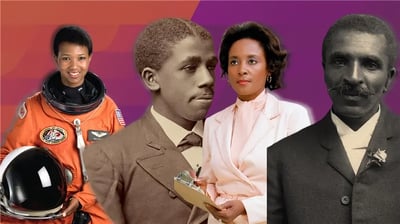
Throughout history, Black individuals and communities have made profound contributions in fields such as:
Their impact demonstrates resilience, creativity, and leadership in the face of systemic barriers.
Why Black History Month Matters Today

Black History Month is not only about remembering the past, it is about understanding the present and shaping the future.
Many Black communities continue to face challenges related to inequality, access to services, and representation. Promoting inclusion, equity, and cultural understanding remains essential.
Organizations, institutions, and communities play a key role in fostering environments where diverse voices are heard and respected.
The Role of Communication in Equity and Inclusion

Effective communication is fundamental to building inclusive societies. When institutions understand cultural and linguistic differences, they are better equipped to serve diverse communities.
This is why cultural awareness, language access, and inclusive communication are not optional, they are essential.
At Creole Solutions, we believe that bridging communication gaps is part of a broader commitment to equity and respect for all communities.
Honoring the Past, Empowering the Future

Black history is not confined to one month. It is an ongoing story of strength, innovation, and cultural richness.
This Black History Month, we invite organizations and individuals to reflect on how they can support diversity, inclusion, and meaningful communication, not only in February, but throughout the year.